By New Vision Builders team · Published · 6 min read
The 4-foot rule, and how it's measured
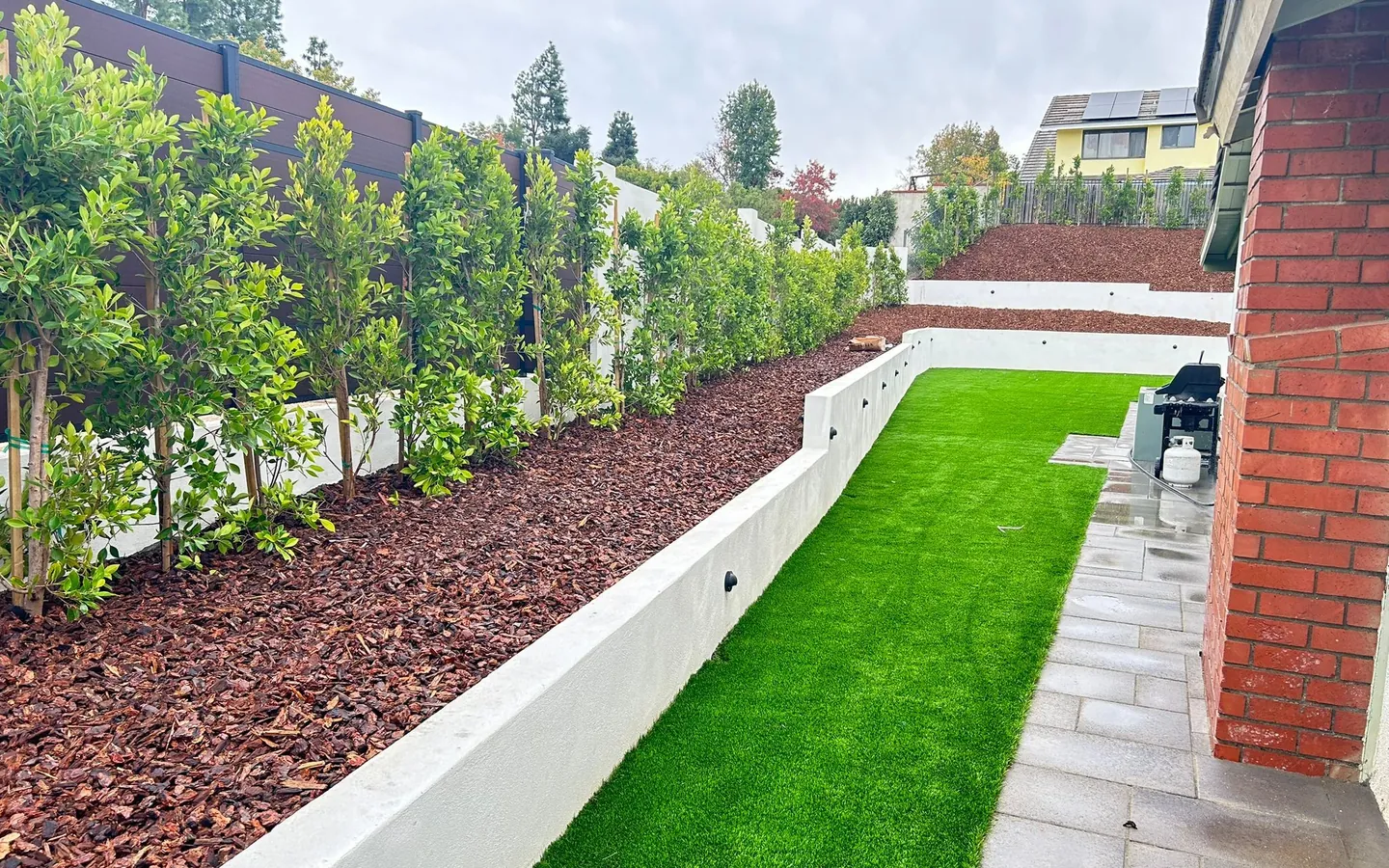
California's building code, which nearly every city in LA and Orange County adopts with its own tweaks, lets you build a retaining wall without a permit only if it's 4 feet or less. The catch is how that height is measured: from the bottom of the footing to the top of the wall, not from the ground you see.
That changes the math fast. A wall that shows 3 feet above the lawn can easily have a footing a foot or more below grade, and now it's over the line. When homeowners tell us their wall is "only about 3 and a half feet," the footing is usually the part they haven't counted.
When a short wall still needs a permit
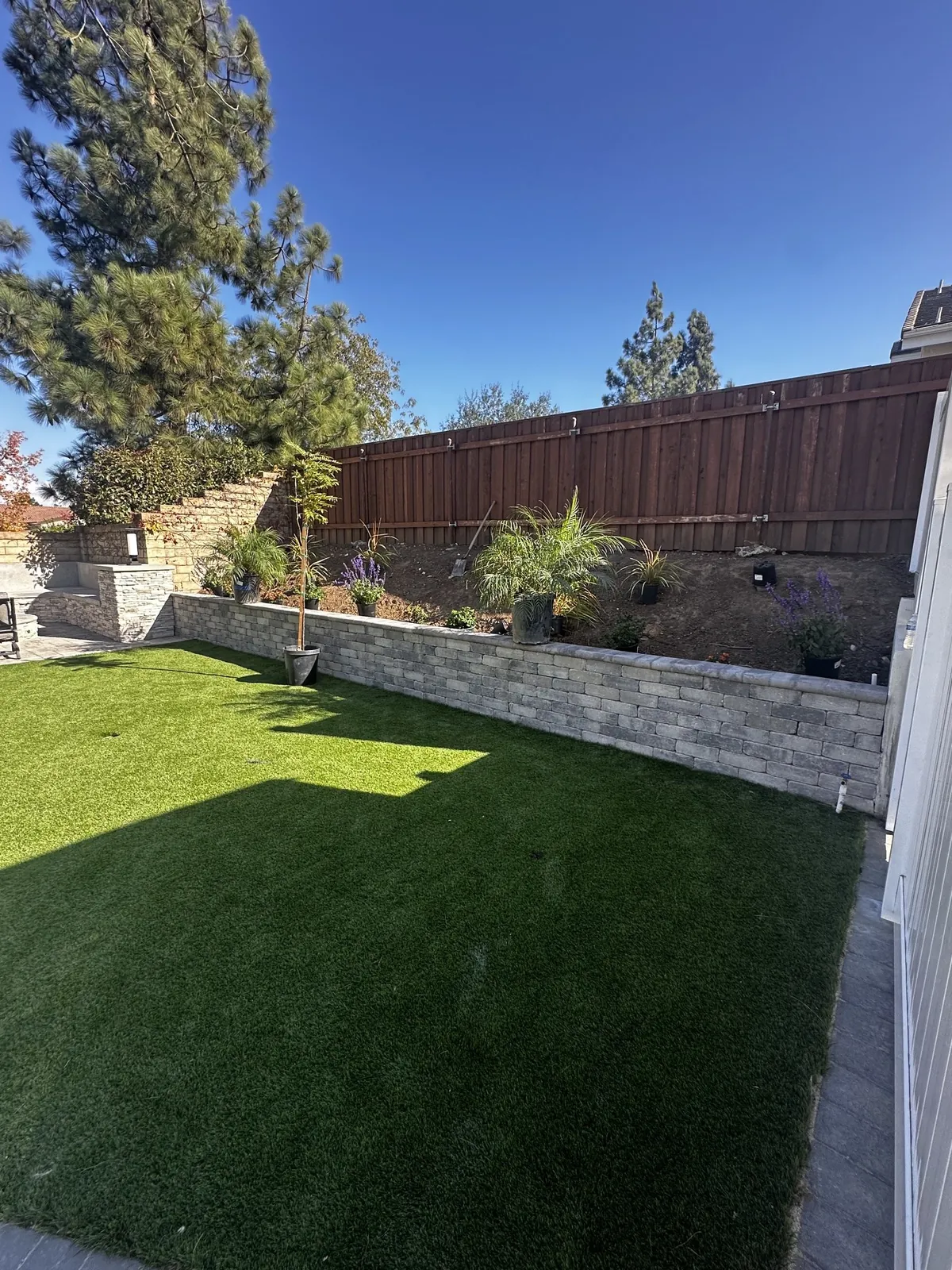
Height is only half the rule. A wall under 4 feet still needs a permit when it carries more than just level soil behind it. Building codes call this a surcharge: anything that adds load on top of the soil the wall is holding back.
The City of Los Angeles is stricter than the base state code. Its exemption doesn't cover a wall that supports sloping earth, and it doesn't apply at all to walls of any height built on slopes steeper than 1 foot up for every 5 feet across, about a 20% grade. A lot of hillside lots in LA fall into that group.
- A slope rising behind the wall
- A driveway, parking pad or street above it
- A house, garage, pool or patio cover near the top
- A hillside lot steeper than about 20% (City of LA)
Fences and block walls on top
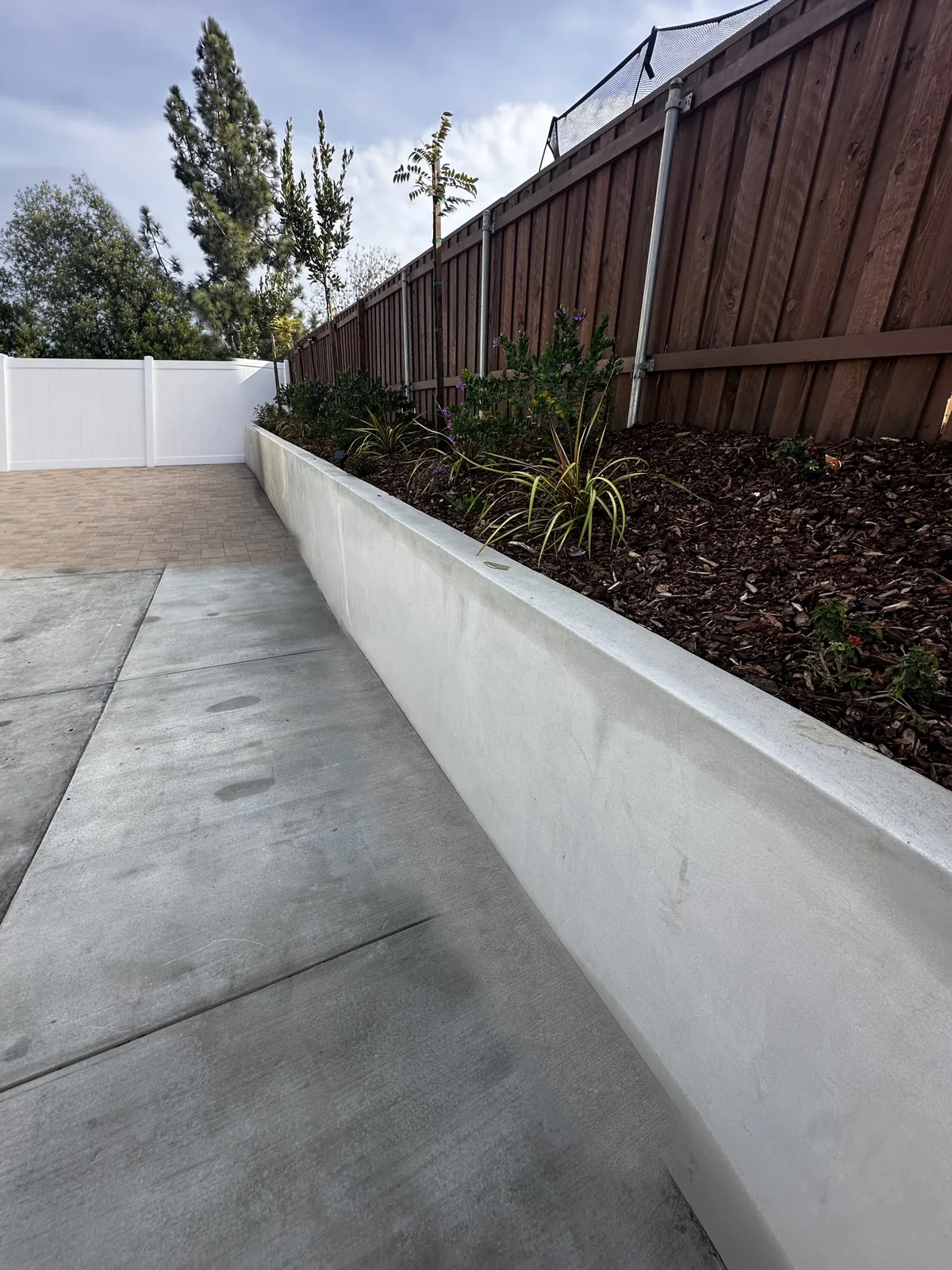
This one trips people up. Putting a fence on top of a retaining wall can turn two simple things into one structure that needs a permit. Wind pushes on the fence, and that load goes straight into the wall below.
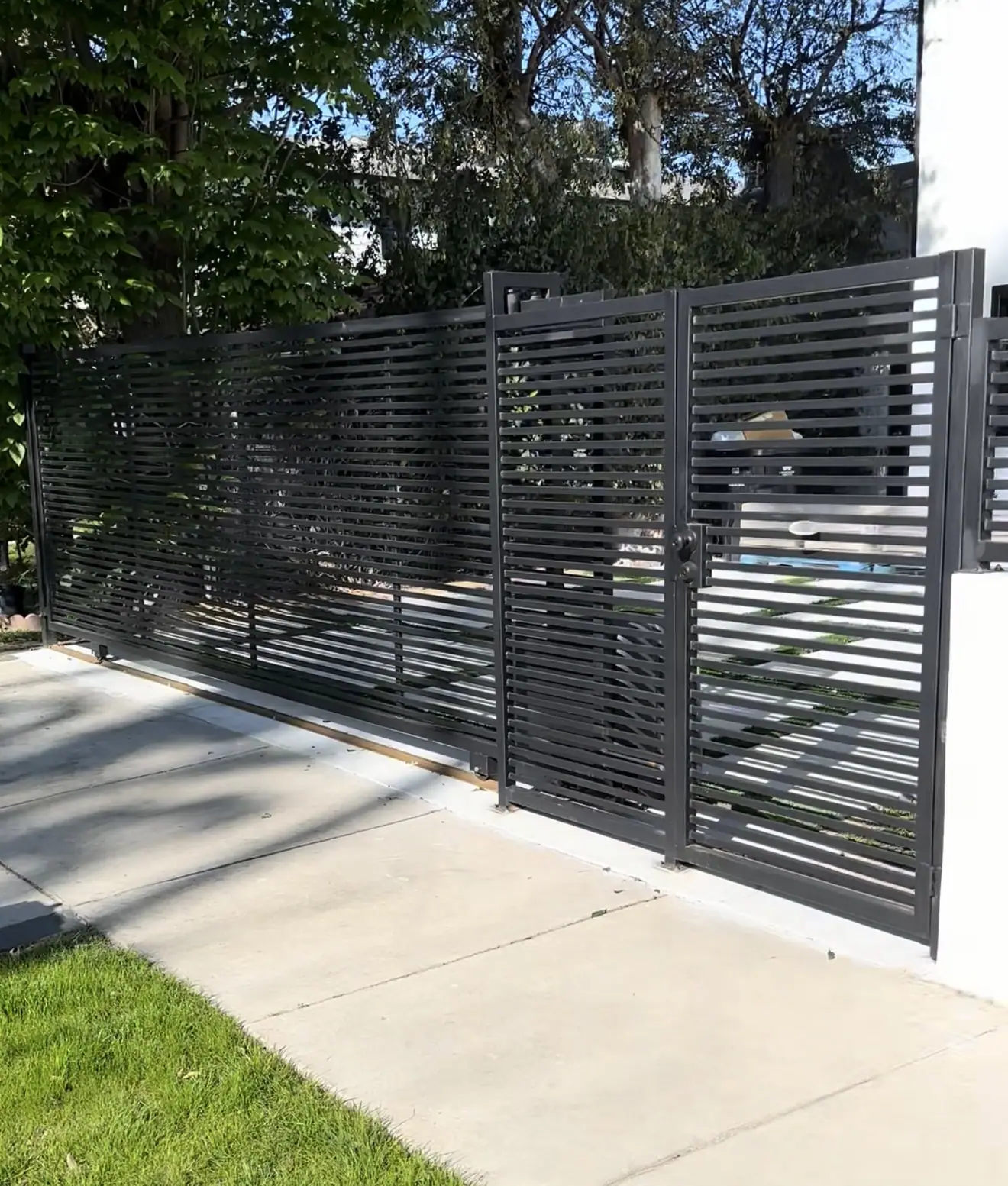
LA County's building code manual, for example, says a solid wood, concrete or masonry fence built on top of a concrete or masonry retaining wall needs a building permit. An open fence like wrought iron or spaced pickets can skip it, but only if the overall height stays within 6 feet from the lower grade and the wall holds back no more than 4 feet of soil. Zoning height limits still apply either way. Other cities have their own versions of this, so we check before we design.
What goes into a retaining wall permit
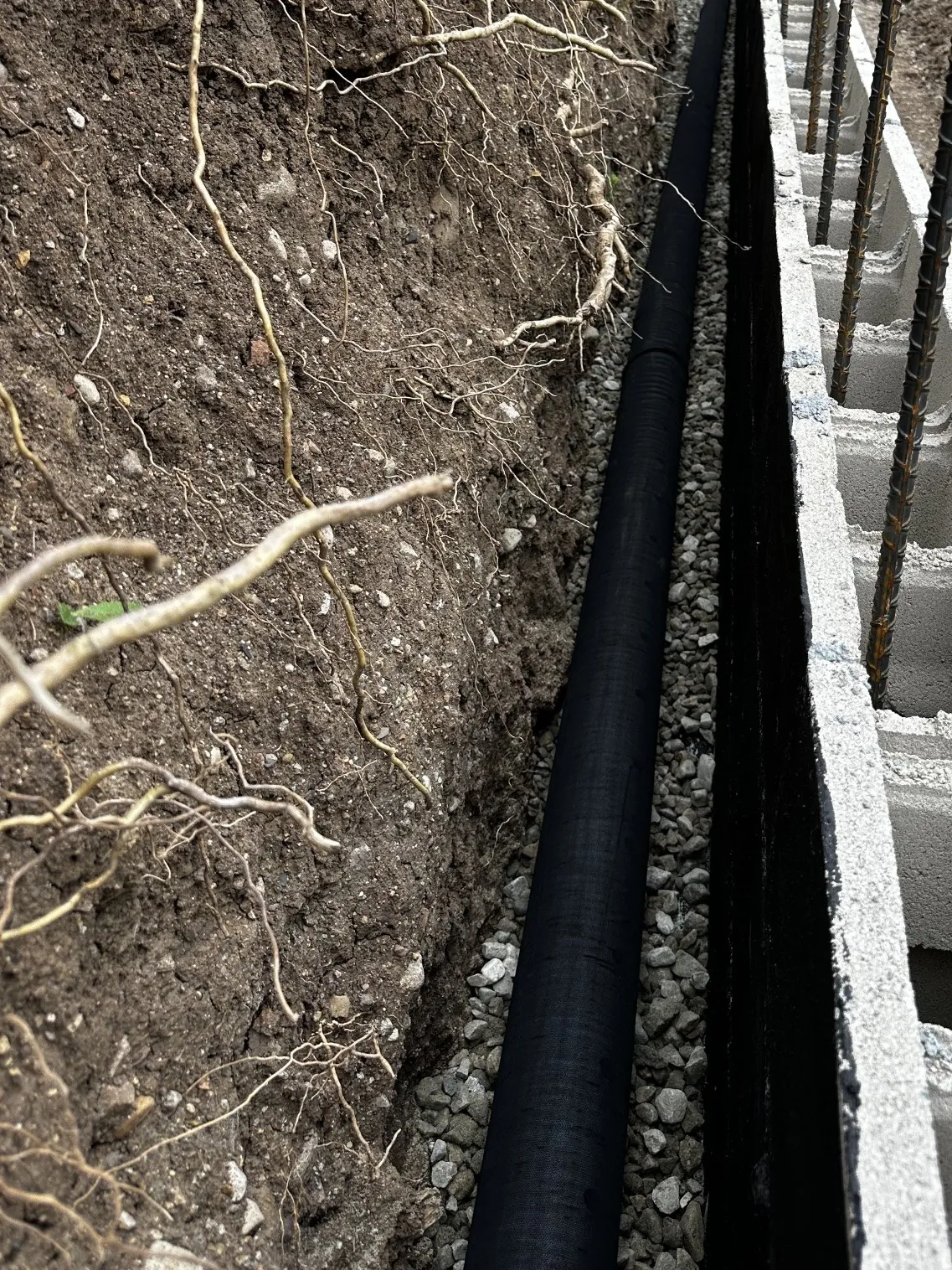
For a permitted wall, the city wants to see that it's designed to hold what it's holding. That usually means a site plan, wall details or engineering calculations, and on some lots a soils report. Hillside properties and walls near property lines tend to get a closer look, and grading permits can come into play if a lot of soil is moving.
Drainage is a big part of the design. Water building up behind a wall is one of the most common reasons walls lean or crack, so plans show a drain pipe in gravel behind the wall and weep holes or an outlet for the water. Then an inspector usually comes out before concrete is poured to check the footing and steel, and again as the job wraps up.
Two short walls instead of one tall one
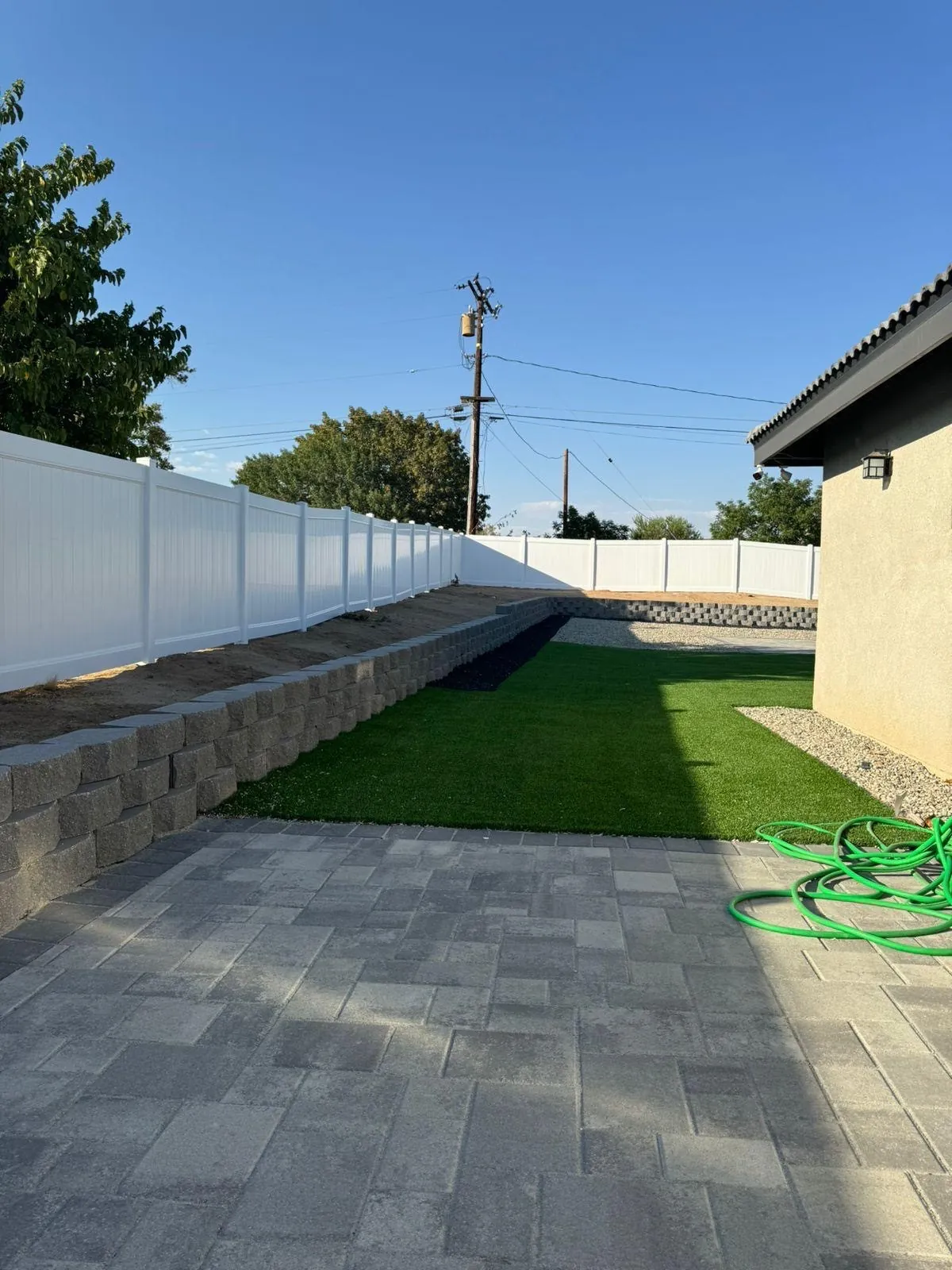
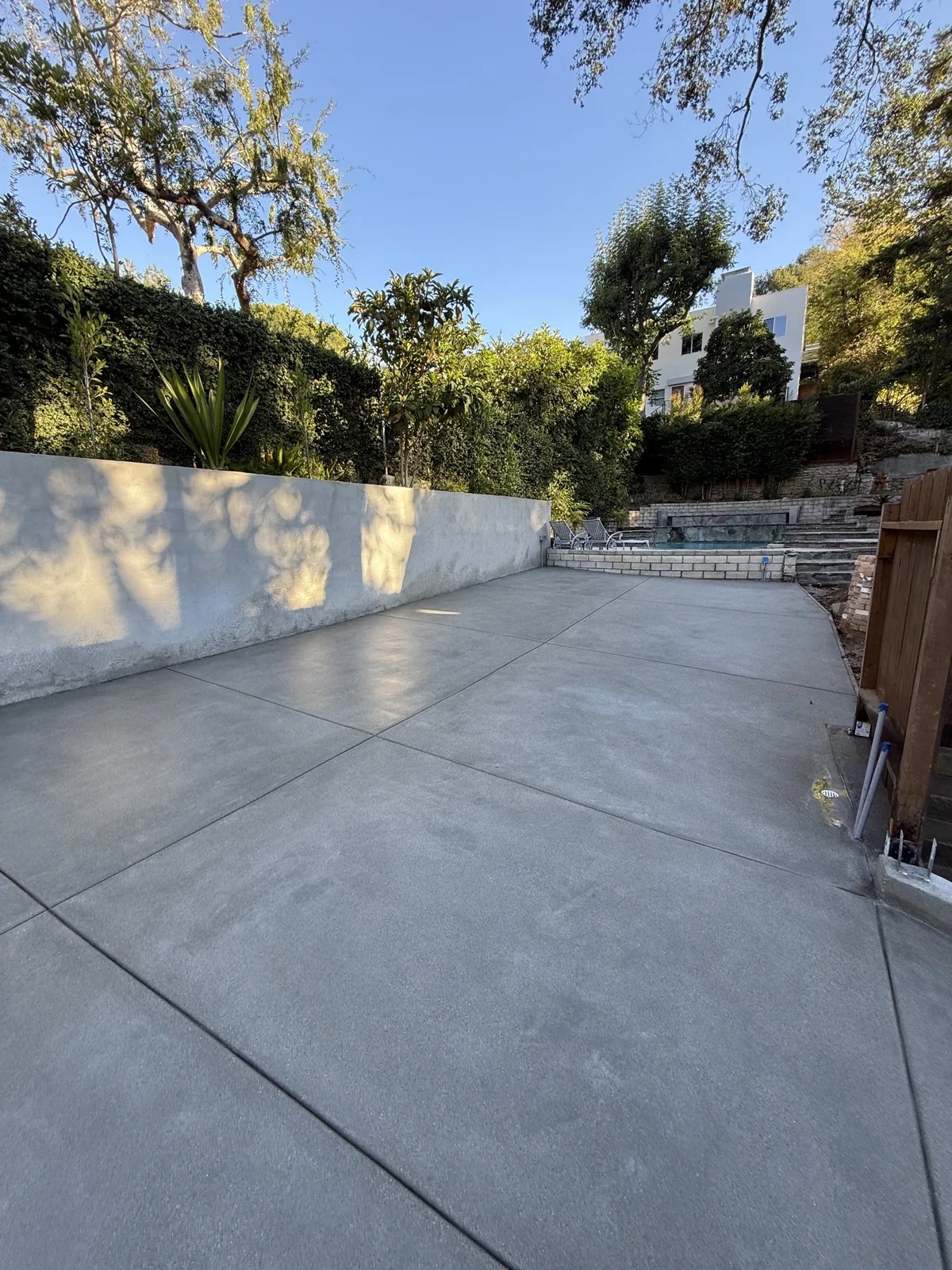
On a sloped yard, stepping the grade with two or three shorter walls often looks better than one tall wall, and it gives you flat planting beds in between. It can also keep the design simpler.
Just don't assume two walls automatically count as two small walls. If the upper wall sits close to the lower one, it adds load to it, and the city and the engineer will look at them working together. Spacing between the walls matters as much as their height.
LA vs. Orange County cities
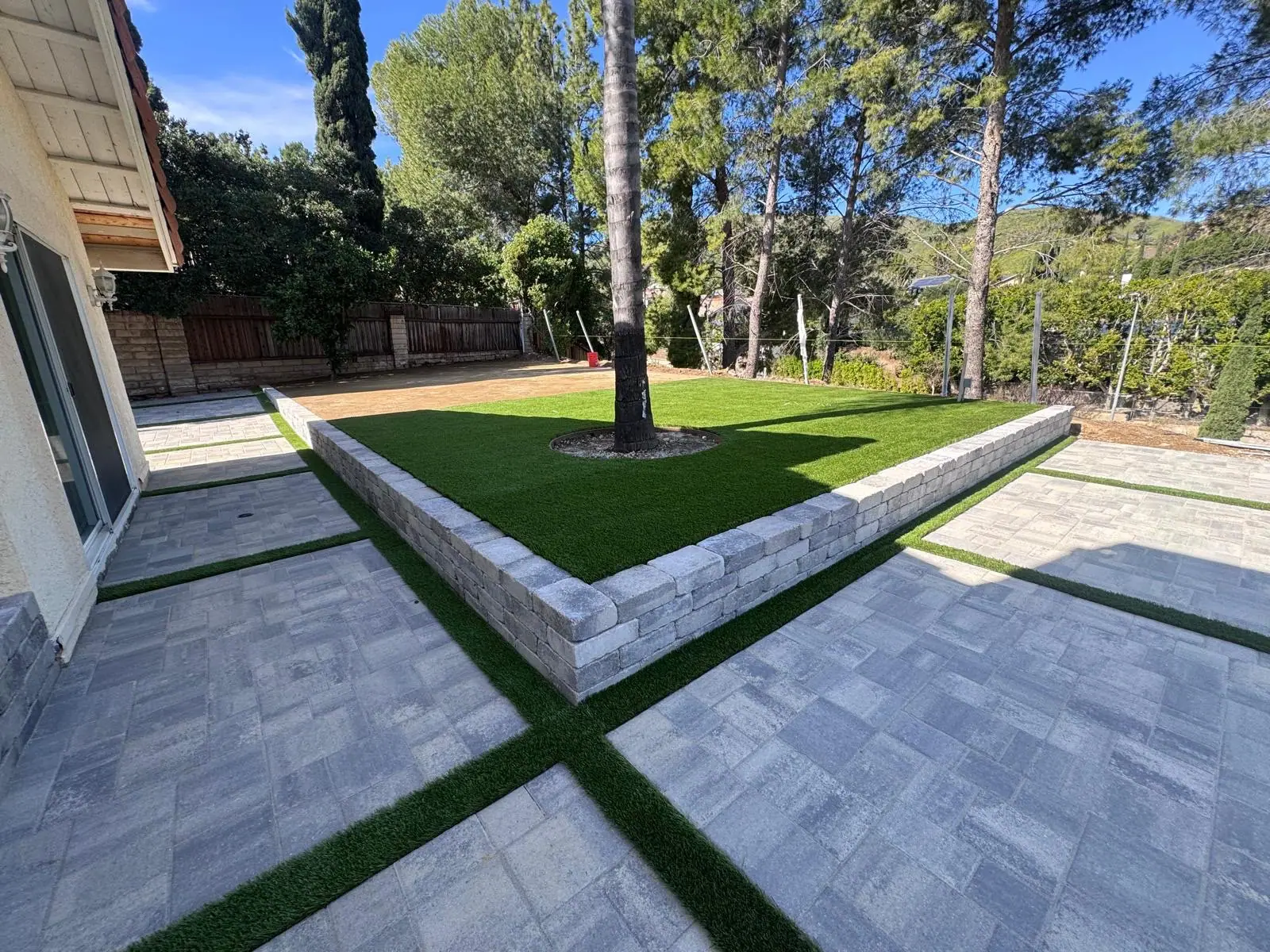
There's no single rule for Southern California. The City of LA, LA County's unincorporated areas and each Orange County city all adopt the state code and then add their own amendments, forms and plan check steps. Hillside zones, coastal areas and HOAs can add their own requirements on top.
That's why we start every retaining wall project by looking up the rules for that exact address. It's a quick step that saves a lot of surprises later.
What happens if you skip the permit
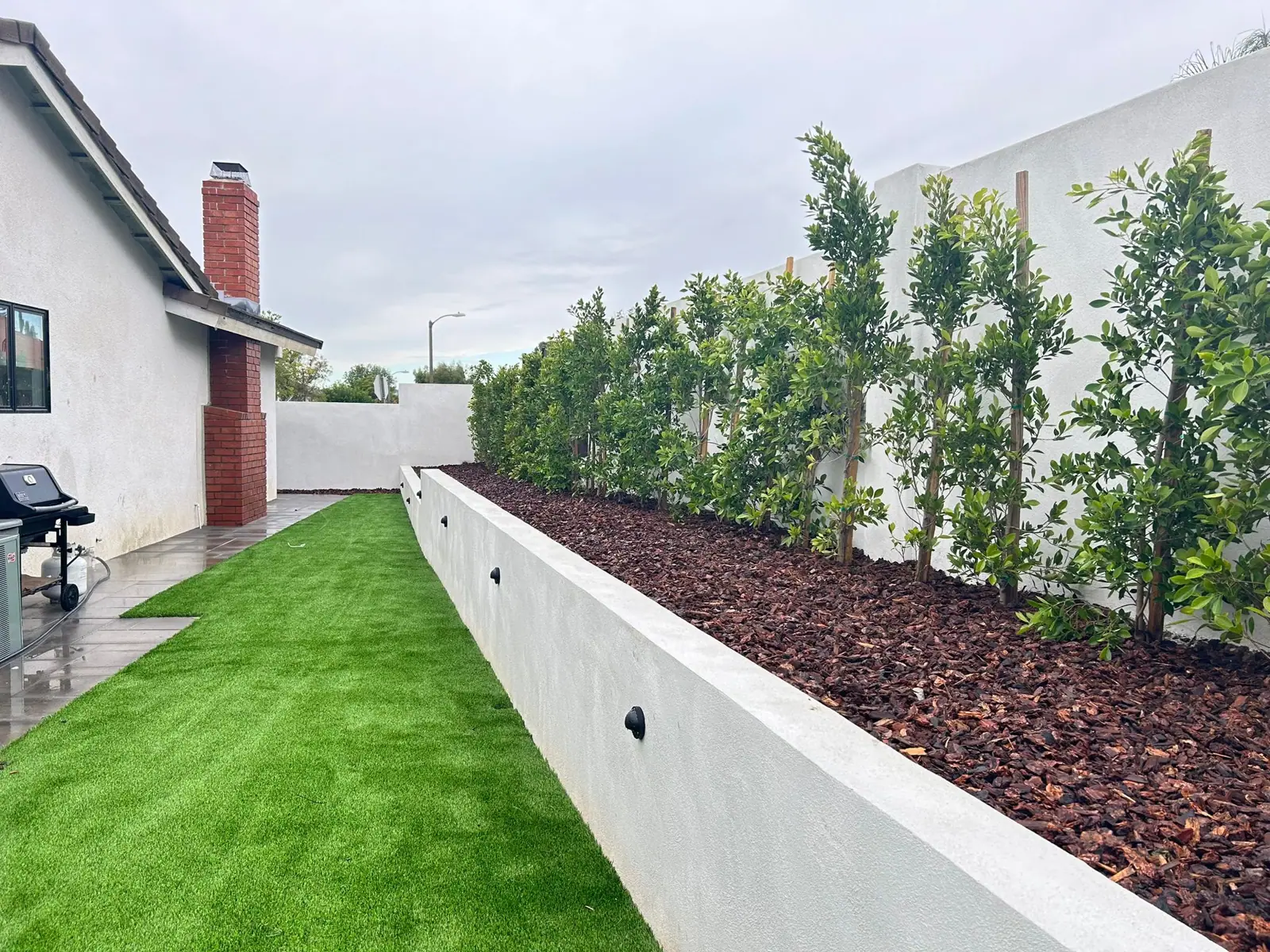
An unpermitted wall can come back to bite you. If a neighbor complains or an inspector notices it during other work, the city can ask you to get it permitted after the fact, which can mean opening it up to show the footing and steel, or tearing it out. Unpermitted work can also come up when you sell the house.
The bigger risk is the wall itself. A retaining wall that wasn't designed for its load can lean, crack or fail during a wet winter, and the damage often reaches past your own yard.
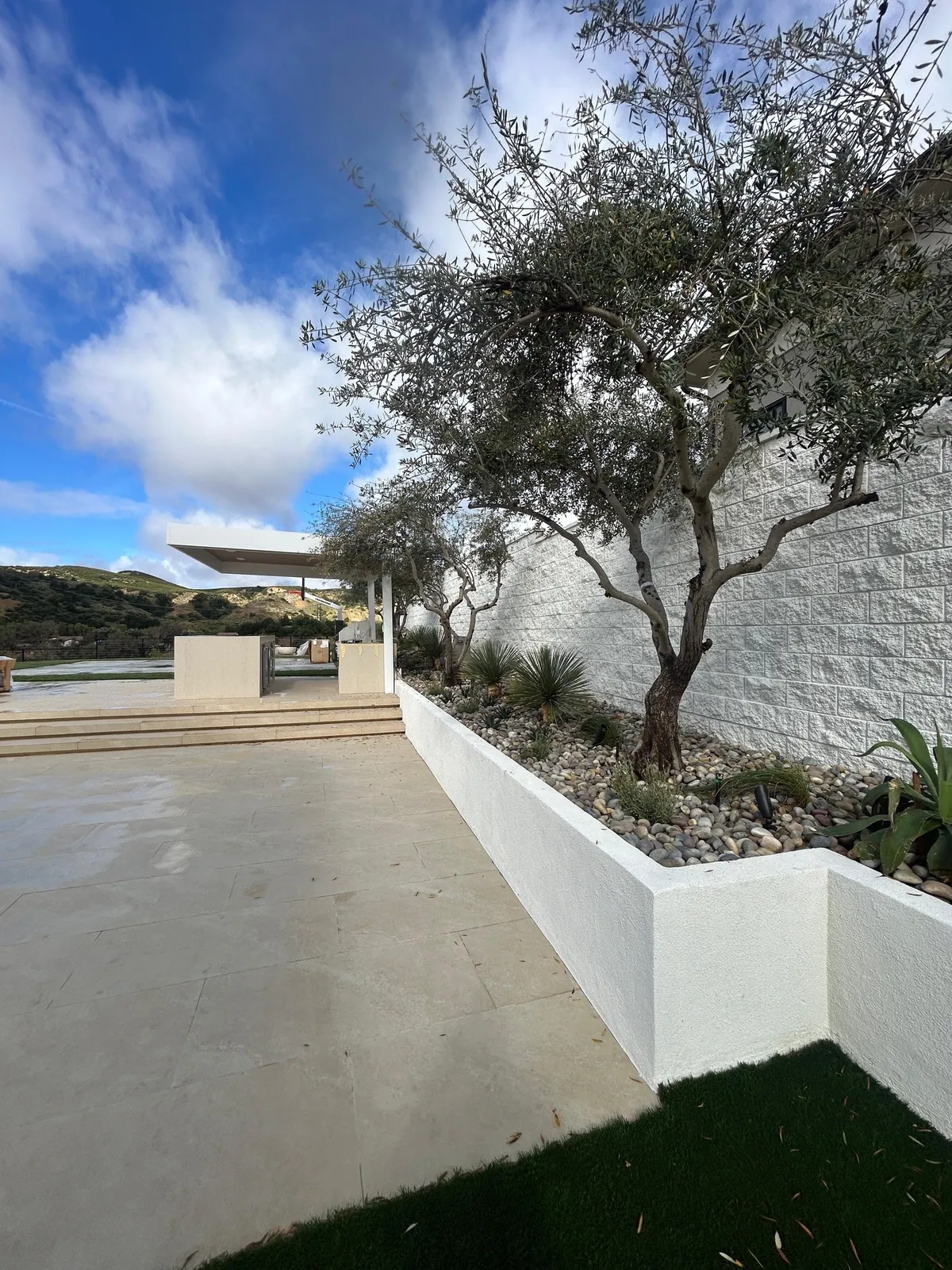
A tip from the field
Before you get quotes, take a tape measure and check the slope behind the wall location, not just how tall you want the wall to look. Note anything that sits above it, like a driveway, a shed or a neighbor's yard. Those two details decide whether you need a permit more than anything else, and they help us give you a clear plan on the first visit.
Questions we get
How tall can a retaining wall be without a permit in California?
Usually up to 4 feet, measured from the bottom of the footing to the top of the wall, as long as it isn't holding back extra load like a slope, driveway or building. Many cities add their own limits, so always check your address.
Does the City of Los Angeles have different rules?
Yes. LA's exemption also excludes walls that support sloping earth, and it doesn't apply to walls of any height on slopes steeper than about 20%. Many hillside lots need a permit even for a short wall.
Do I need a permit for a fence on top of a retaining wall?
Often, yes, because the fence adds load to the wall. Solid fences on retaining walls generally need a permit; some cities allow open fences like wrought iron without one if the total height stays within their limits.
Can I replace an old retaining wall without a permit?
Only if the new wall meets the same exemptions as a new one. A replacement over 4 feet, or one holding back a slope or extra load, needs a permit just like a new wall. We check the rules and handle the permit when it's needed.