By New Vision Builders team · Published · 6 min read
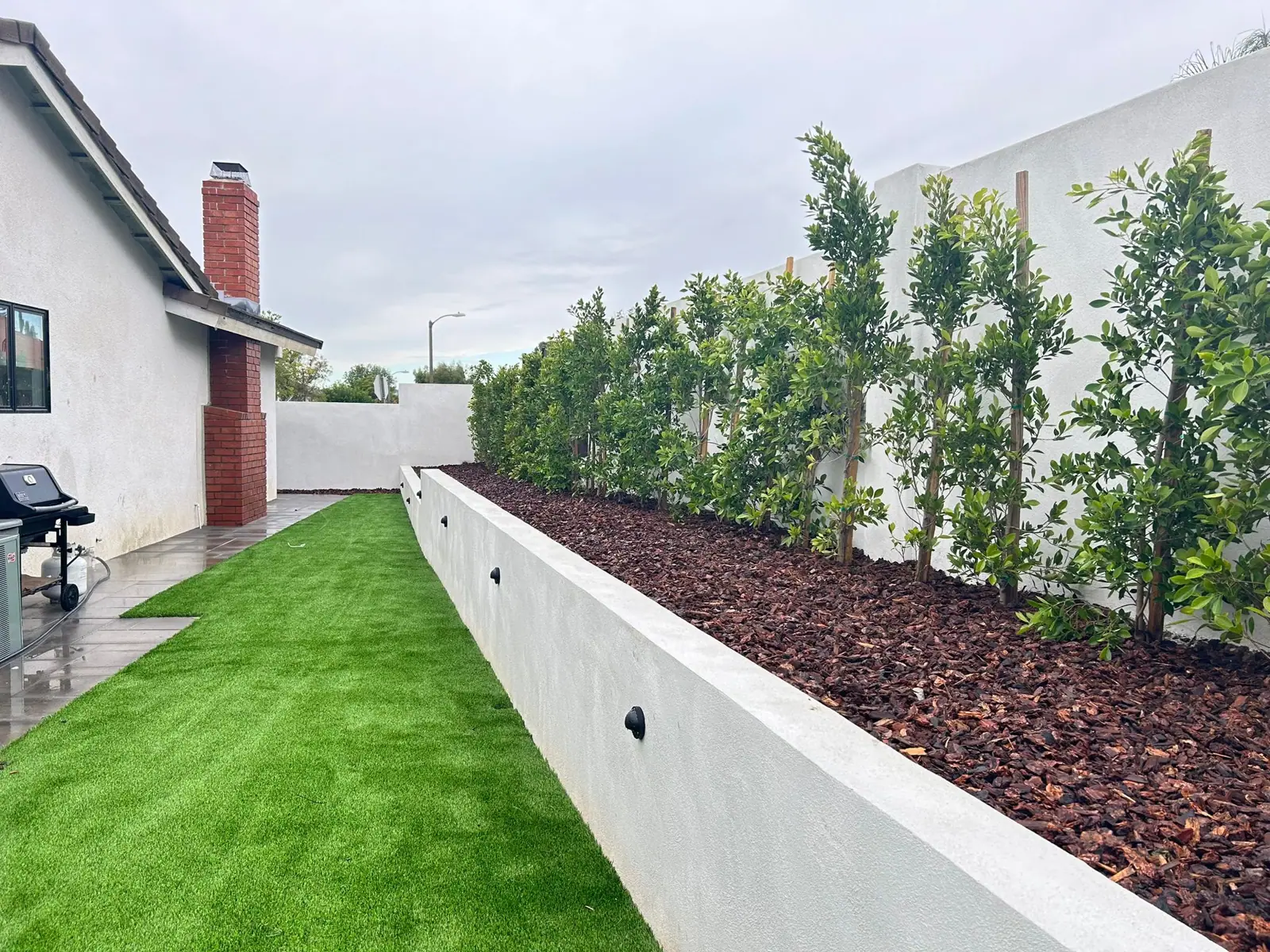
Start with how you use the yard at night
Most people pick fixtures first. We go the other way. Before anything gets ordered, we walk the yard and ask a few simple questions. Where do you walk after dark? Where do you sit? What do you look at from the kitchen or the living room window? Do you entertain out there, or is it mostly a view?
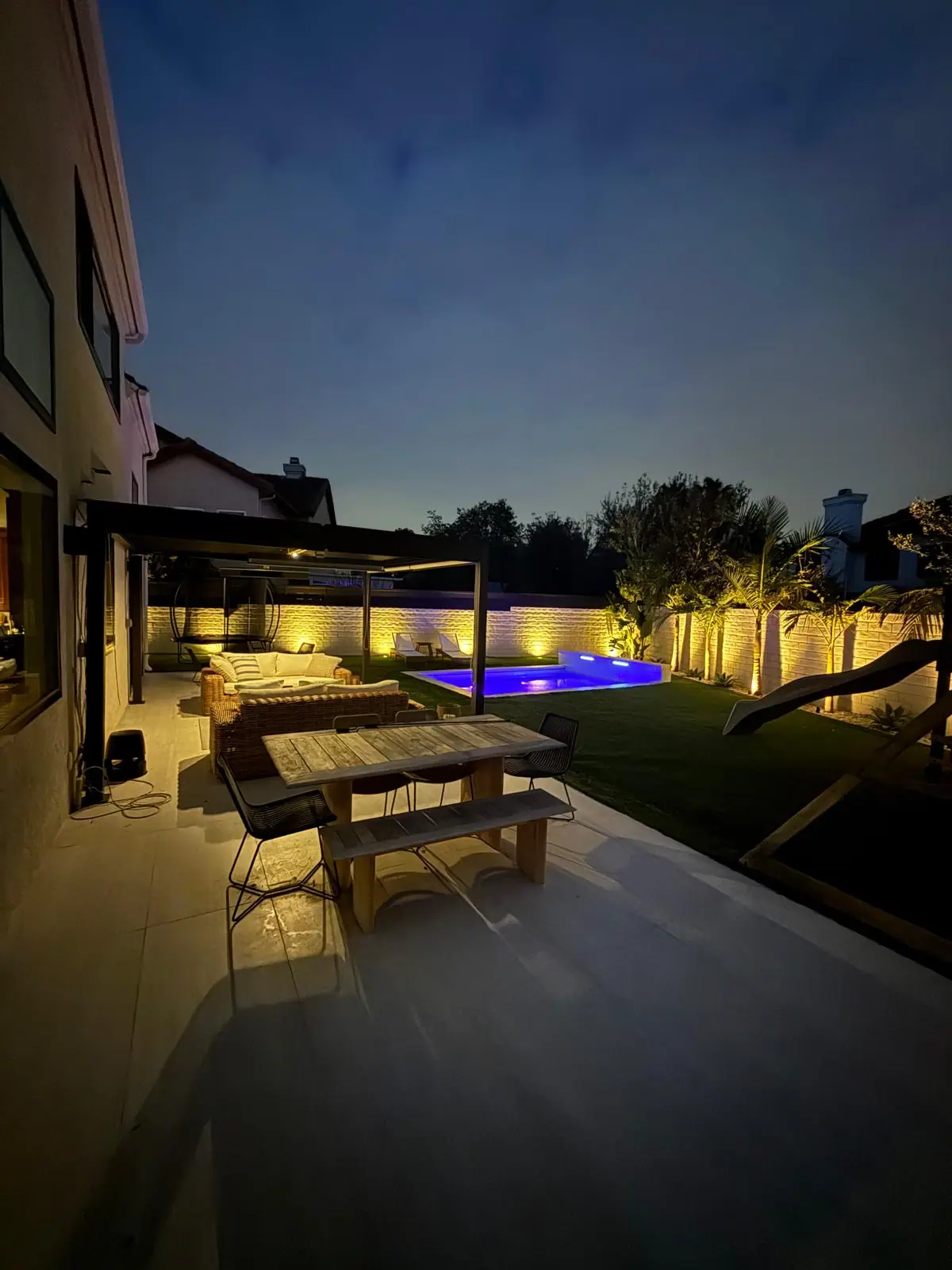
Those answers decide almost everything. A backyard that gets used for dinners every weekend needs good light over the table and the grill. A front yard that's mostly seen from the street needs a few strong accents and a safe, well-lit walk to the door. Lighting that ignores how you live ends up either too dim to use or so bright it feels like a parking lot.
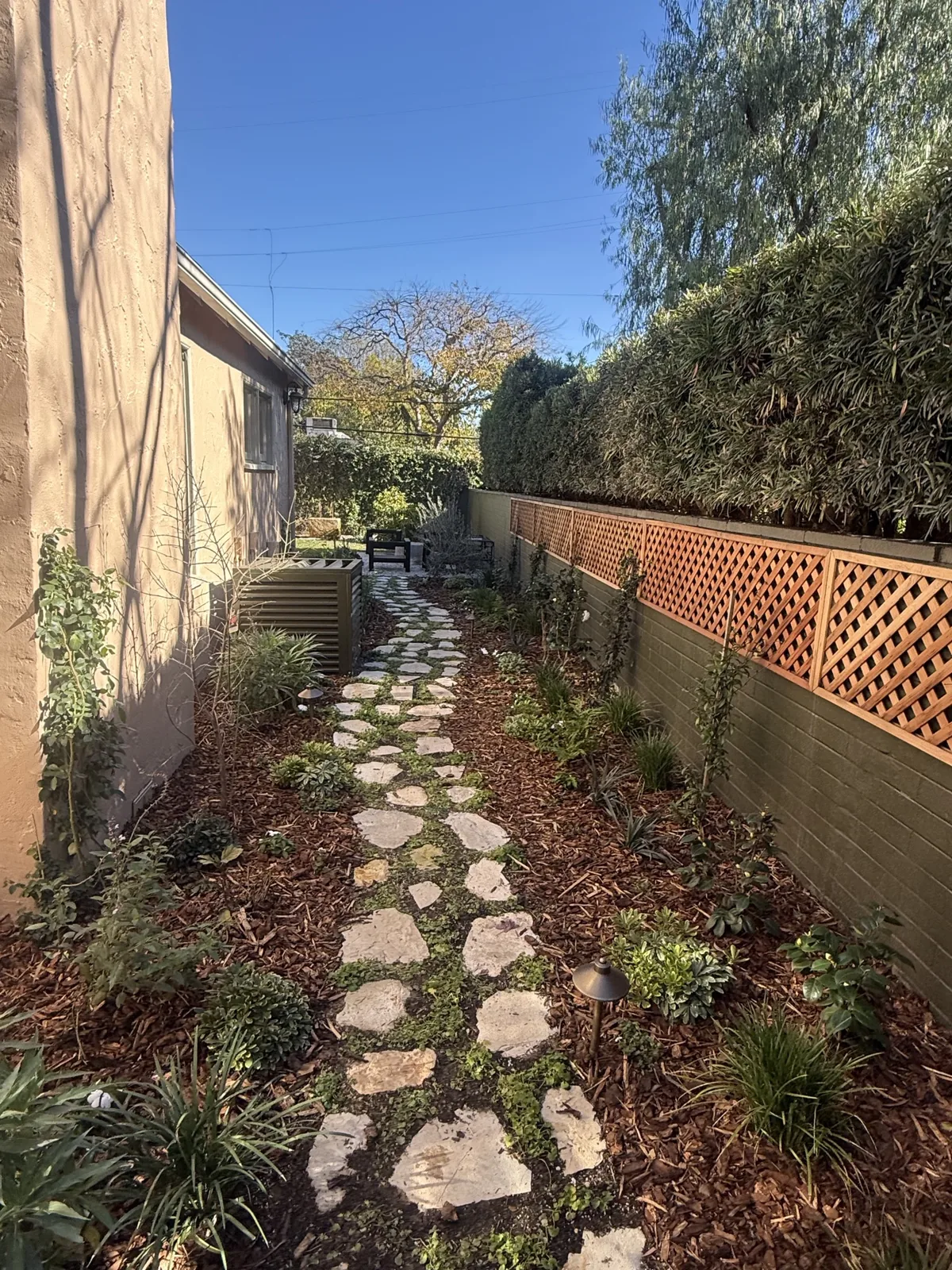
Think in three layers
Good landscape lighting is really three jobs done together. Each one uses different fixtures, and you don't need much of any of them.
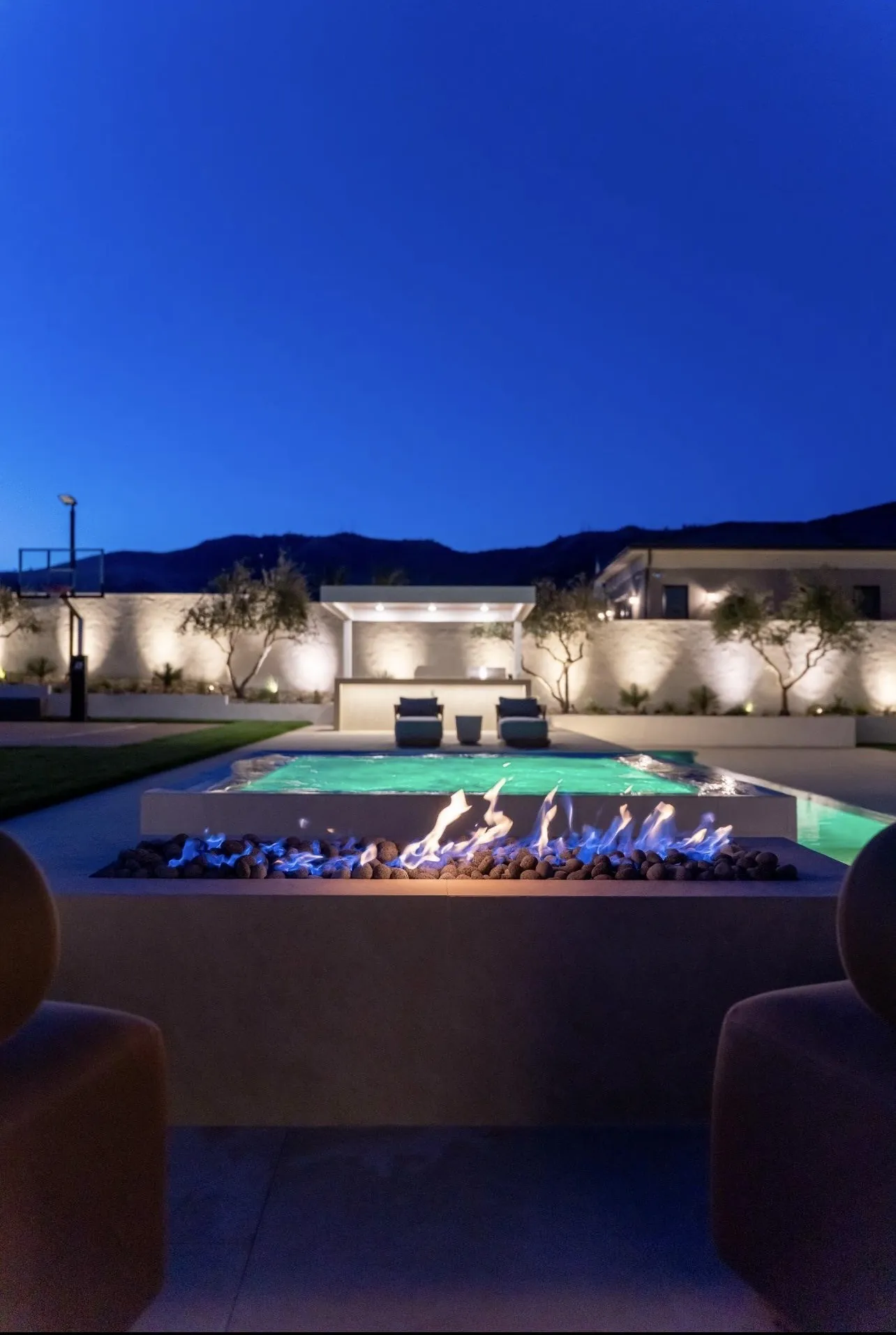
Safety light covers paths, steps, driveway edges and gates, so nobody trips or misses a step. Accent light picks out a few things worth seeing at night: a nice tree, a stone wall, a water feature, the front of the house. Living light makes the places you actually use comfortable, like a patio, an outdoor kitchen or a fire pit area.
The mistake we see most is lighting everything evenly. A yard looks best at night when some areas are bright, some are soft and some stay dark. Contrast is what makes it feel deep and calm.
- Safety: paths, steps, driveway edges, gates
- Accent: a few trees, walls, plants or the house front
- Living: patios, outdoor kitchens, fire pit seating
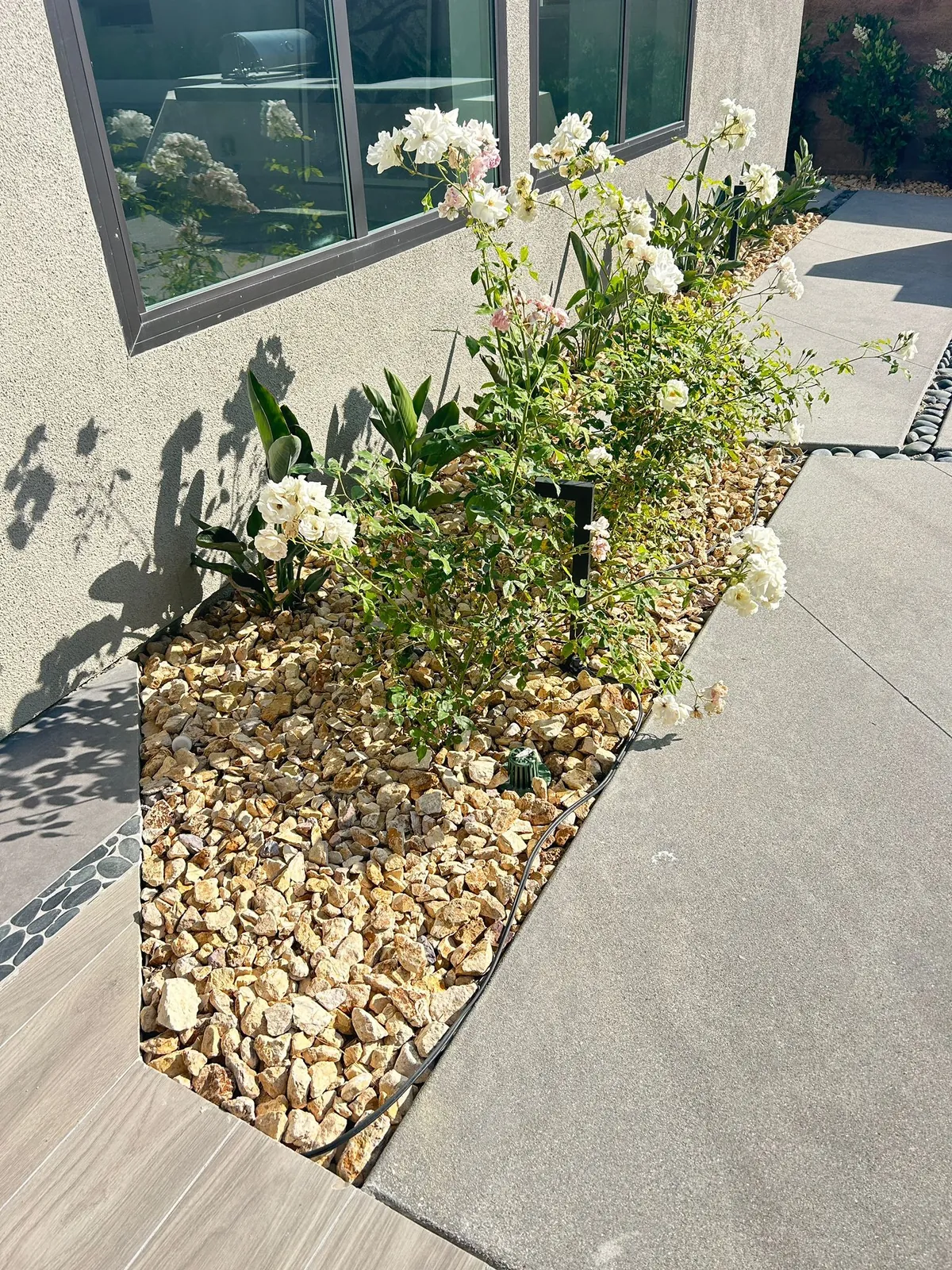
Pick warm color and less brightness than you think
Color temperature matters more than people expect. Warm white, around 2700K to 3000K, looks like candlelight or an old porch bulb. It makes plants, wood and stone look rich and it feels relaxing. Cool white, 4000K and up, looks bluer and harsher outside, a lot like a security light. For most homes we stick with warm white everywhere and keep it consistent, because mixing colors looks messy.
Brightness is the other half. Outdoor lighting works against a dark background, so a little goes a long way. A path light only needs to light the ground around it, not the whole walkway. If the yard looks bright from inside the house, it's probably too bright. Dimmable fixtures make it easy to get this right after install.
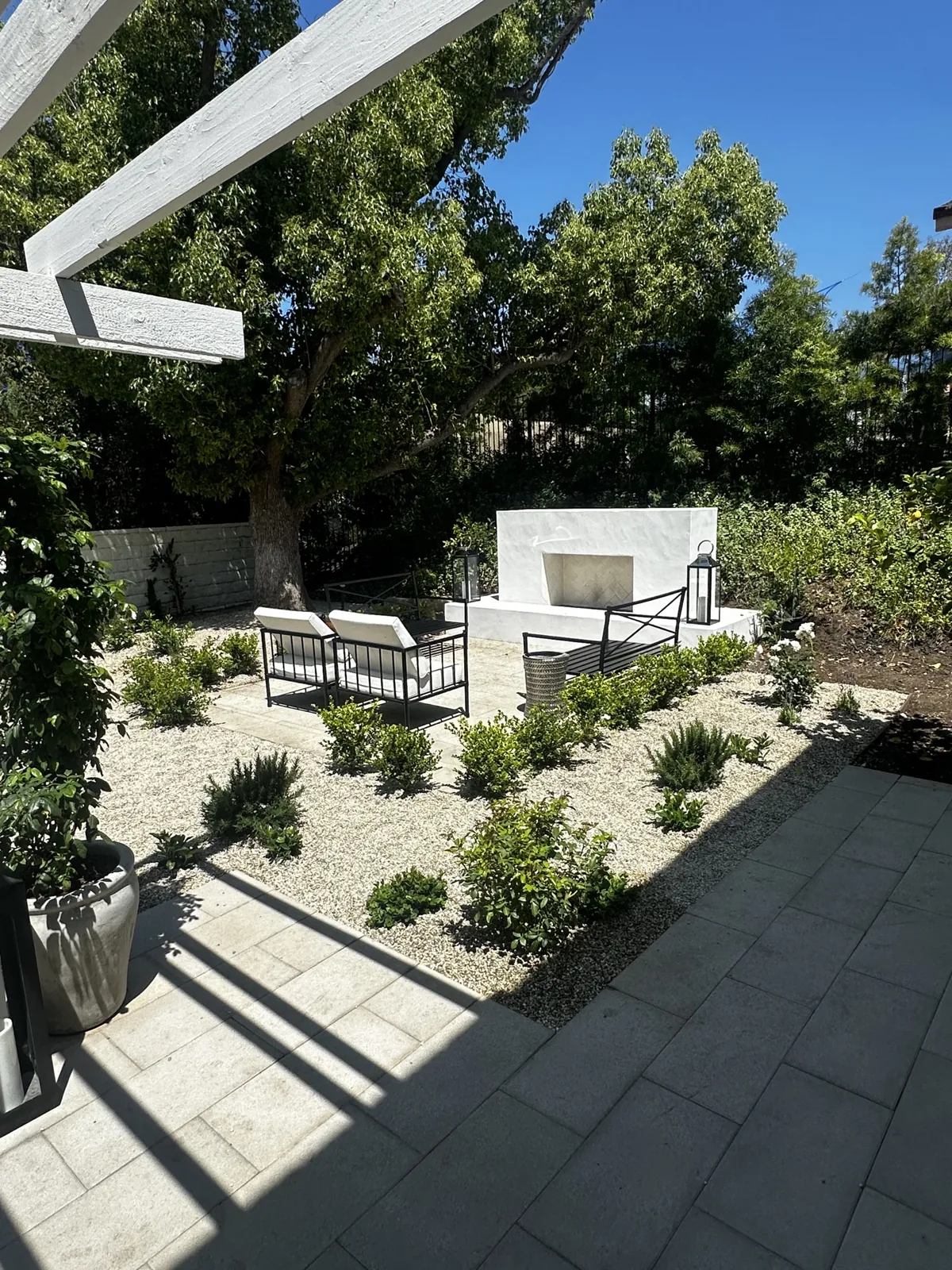
Low-voltage LED is the standard now
Nearly every landscape lighting job we do is low-voltage LED. A transformer plugs into an outdoor outlet and steps the power down to about 12 volts, then cable runs underground to each fixture. It's safer to work around, it's easy to add or move fixtures later, and LEDs use very little power and last a long time.
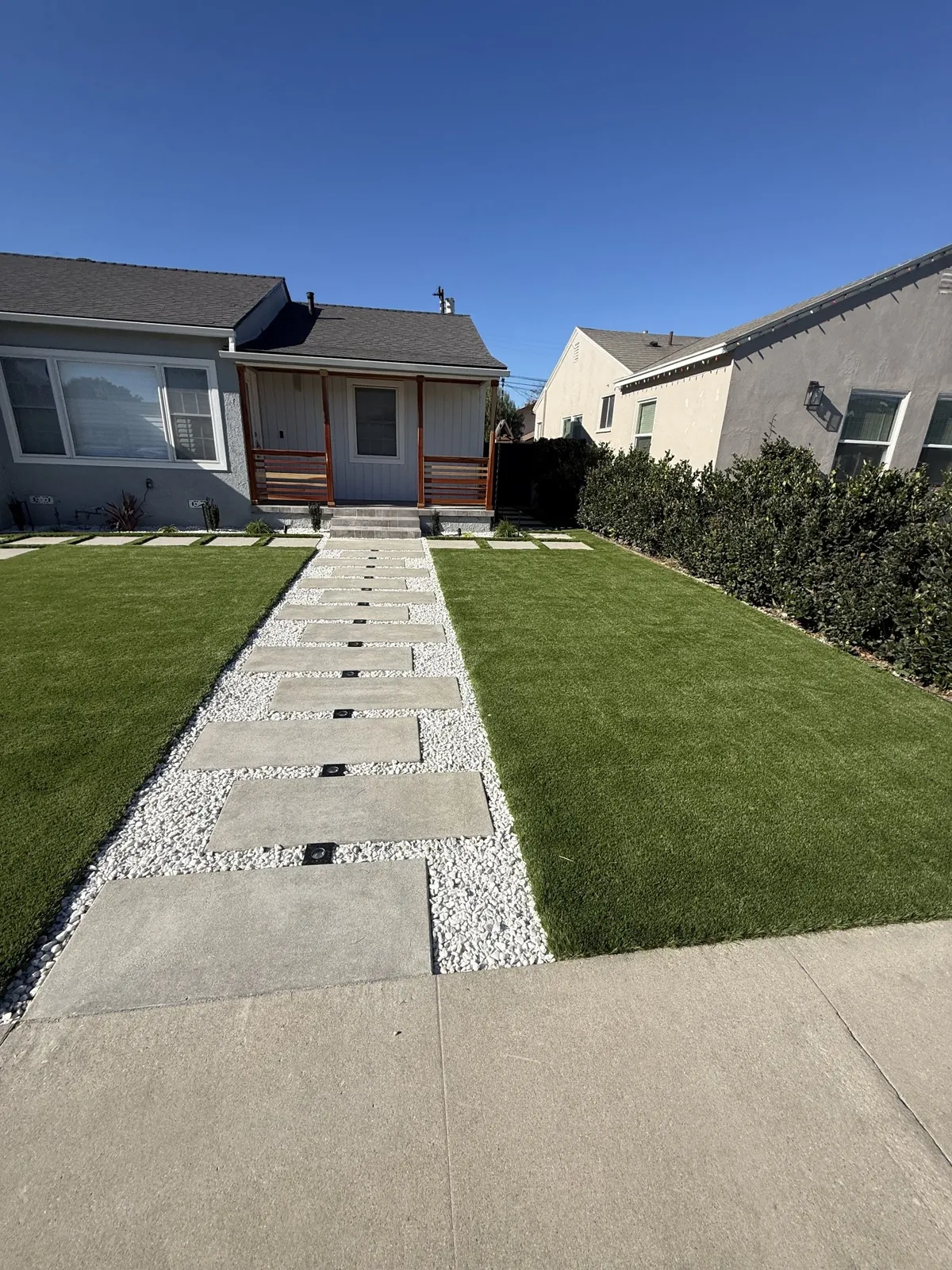
Quality makes a big difference. Solid brass or copper fixtures hold up to sprinklers, sun and salt air near the coast much better than thin aluminum or plastic. Cheap solar stake lights are fine for a quick fix, but they fade, tilt and stop working within a season or two. If you're putting in new pavers, turf or a patio, run the wire and sleeves before the hardscape goes down. It's far easier than trenching through finished work later.
The fixtures that do most of the work
You don't need a catalog full of options. A handful of fixture types handle almost every yard.
- Path lights: short posts that wash light down onto walkways and beds
- Uplights and spotlights: aimed up into trees, walls and tall plants
- Step and wall lights: set into stairs, seat walls and retaining walls
- Hardscape and under-cap lights: hidden under wall caps or bench edges
- Well lights: buried flush in turf or gravel, good where people walk
- String and down lights: over patios, pergolas and dining areas
Avoid glare and keep the neighbors happy
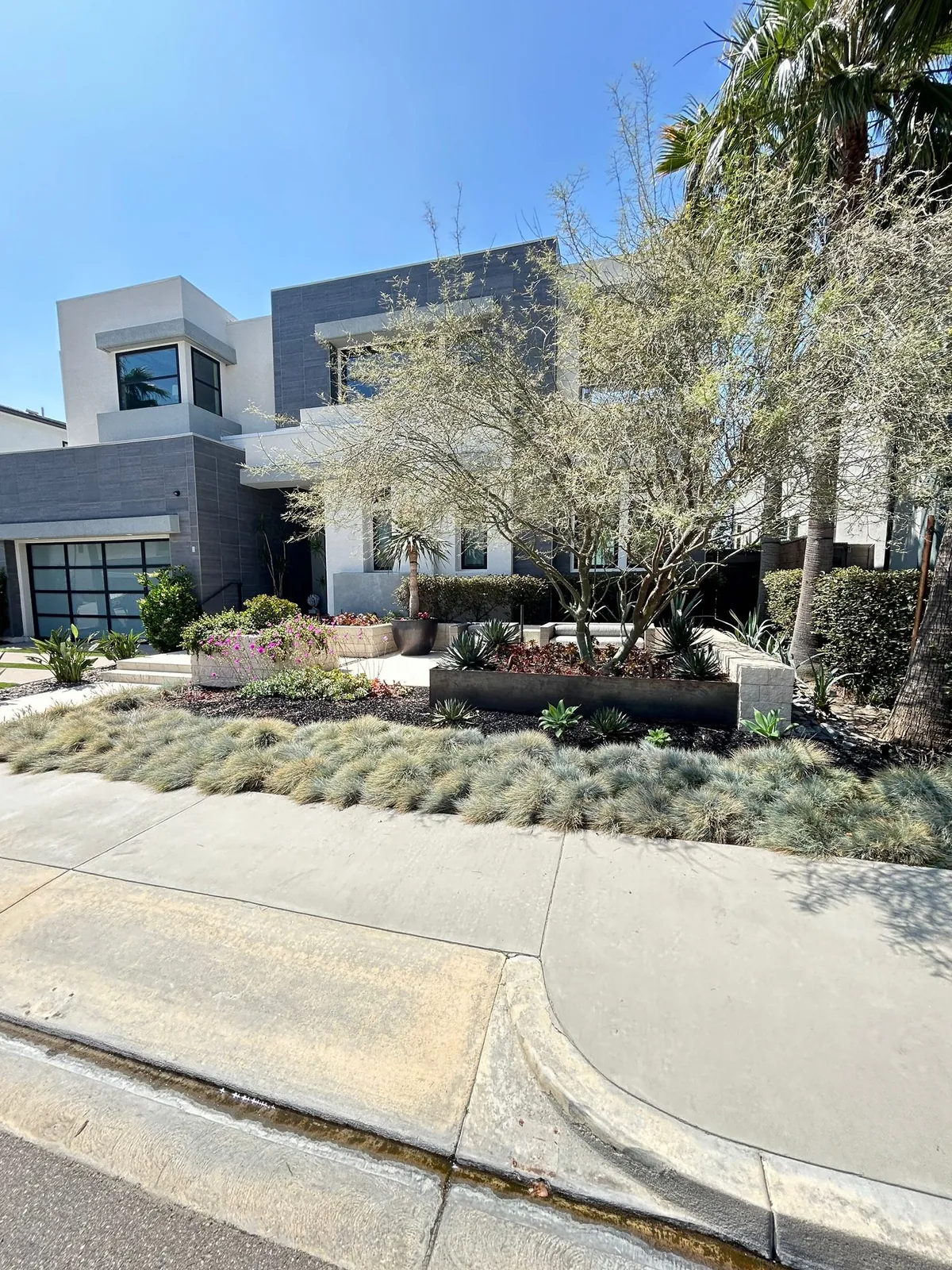
The goal is to see the light, not the bulb. Fixtures should be hidden, shielded or aimed so nobody looks straight into them from the patio, the street or the house next door. Path lights should sit low and point down. Uplights should be tucked behind plants or rocks and angled away from windows and seating.
Watch where light spills, too. A spotlight that looks great on your tree might also light up a neighbor's bedroom. Shields, glare guards and lower settings fix most of this, and pointing light down instead of out keeps the night sky darker for everyone.
Controls: set it and forget it
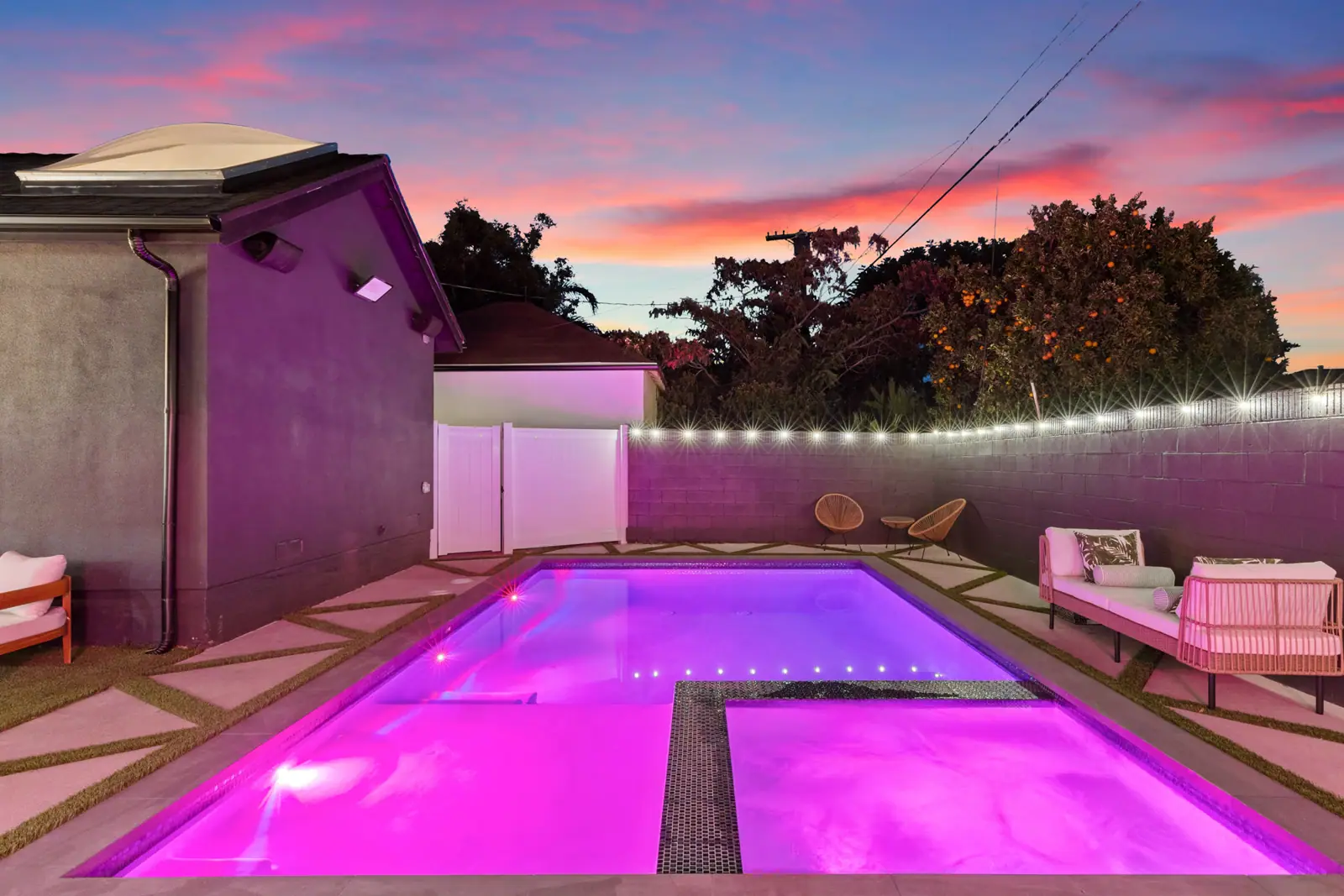
Lighting nobody remembers to turn on doesn't do much. Every system we install runs on a timer, a photocell that turns lights on at dusk, or an app on your phone. Many homeowners like a simple setup: everything on at dusk, accents off at bedtime, paths and steps on until late.
Splitting the lights into zones helps a lot. Keep path lights on one zone, accents on another and patio lights on a third, so you can turn on just what you need when friends are over or dim it all down on a quiet night.
A tip from the field
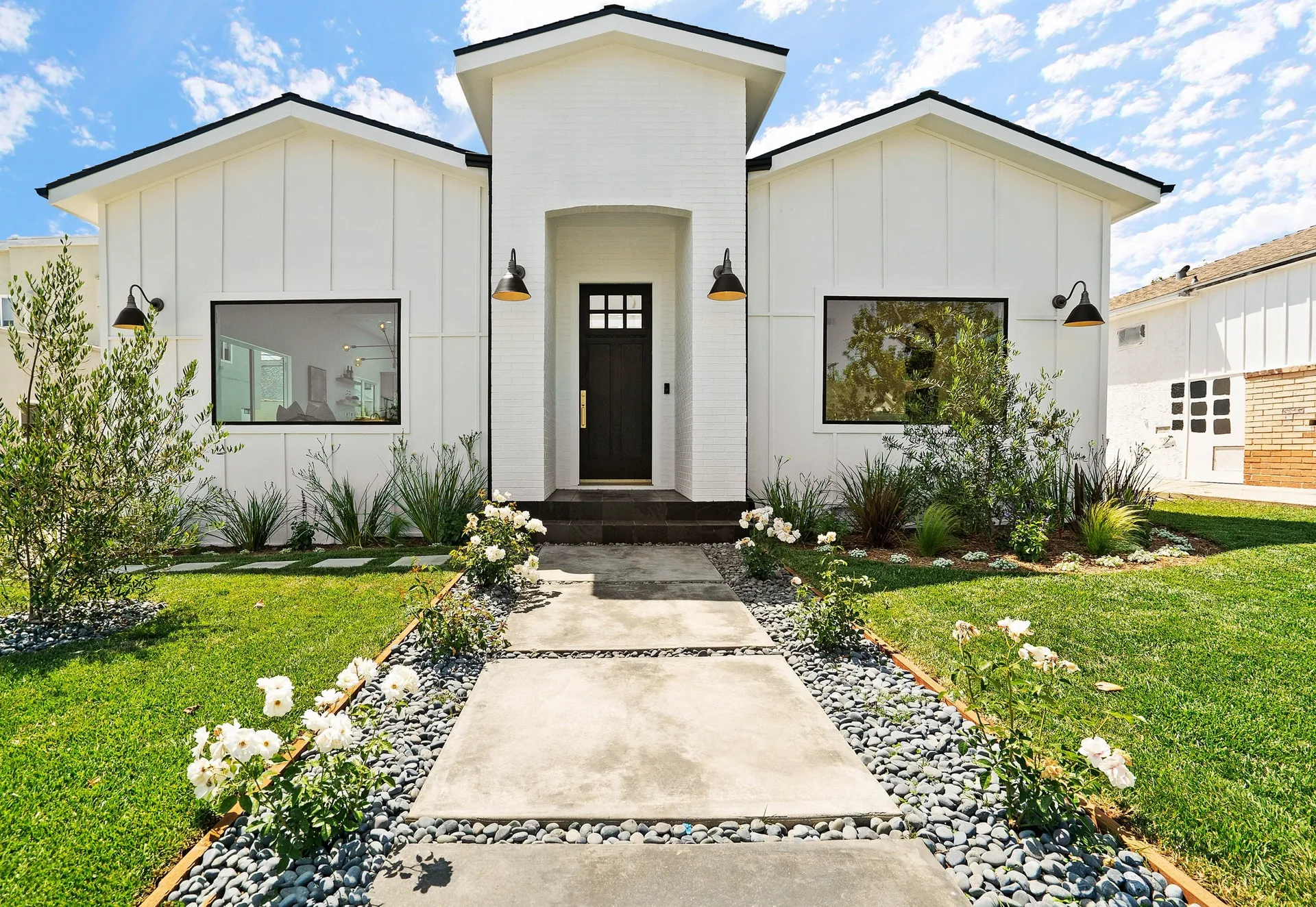
Before we lock in the plan, we go out after dark with a few portable fixtures and test the spots and angles with you. Ten minutes at night tells us more than an hour of drawings. You see which tree really pops, which path light is too close to the next, and where the glare hits the patio, before a single wire goes in the ground.
Questions we get
What color temperature is best for landscape lighting?
For most homes, warm white around 2700K to 3000K. It makes plants, wood and stone look natural and feels relaxing. Cooler light looks harsh outdoors, so we save it for very modern designs or specific features.
Is low-voltage or solar landscape lighting better?
Low-voltage LED is the better long-term choice. It's brighter, more reliable and easy to control on a timer or app. Solar stake lights are fine as a quick fix, but they usually fade or fail within a couple of seasons.
How many path lights do I need?
Fewer than most people think. Space them so the pools of light just touch or leave small gaps, and stagger them on both sides of a path instead of lining them up like a runway.
Can you add lighting to an existing yard?
Yes. Low-voltage cable can be run through planting beds and under turf with little disruption. If you're planning new hardscape soon, it's smart to run wire and sleeves before the pavers or concrete go in.
Do I need a permit for landscape lighting?
A plug-in low-voltage system usually doesn't need one, but a new outdoor outlet or circuit for the transformer often does. We check the rules for your city and handle permits when they're needed.